Spun Roof Drain Domes: Solutions for Efficient Water Shedding
Key Takeaways
- Suggestions for fitting spun roof drainage domes
- Care routines for peak functionality
- Resolving frequent problems
- Budget factors for spun roof drainage domes
Installation Tips for Spun Roof Drain Domes
Installing spun roof drain domes requires careful preparation and the right tools to ensure an efficient water management system. Begin by gathering essential tools such as a measuring tape, utility knife, sealant, and fasteners. Assess the existing roof structure to determine the locations for your metal roof drains. Proper alignment is crucial; a slight misplacement can lead to drainage issues down the line. Take the time to check the manufacturer's guidelines for specifics on sizing and placement. Seamless metal roof drains often offer better efficiency, so consider them for areas with heavy rainfall.
Once you've established a plan, start the installation by cutting the roof membrane to fit around the drain. Ensure that the spun metal roof drains are securely fastened to the roof deck using appropriate sealant to prevent leaks. After securing, install the roof vent flashing, which will help guide debris away from the drain while encouraging water to flow downwards. Lastly, conducting a thorough inspection following the installation can help you identify potential issues early, setting a strong foundation for optimal performance in water shedding. Regular checks can ensure that everything remains in good condition, keeping your system running smoothly.
7 Steps for Proper Installation (Tools needed and best practices)
To kick off a successful installation of spun roof drain domes, gather essential tools like a power drill, screws, a level, and a silicone sealant. Accurate measurements are crucial, so a tape measure and markers will help ensure everything is positioned correctly. For seamless metal roof drains, it’s wise to consult any technical specifications provided by manufacturers to prevent compatibility issues. Additionally, having a helper can streamline the process, especially when lifting heavy materials into place.
Begin by marking the correct locations for your drains, ensuring alignment with the roof's slope for optimal water shedding. Next, drill precise holes according to your marks, adhering to the dimensions recommended by the manufacturer. Install the spun roof vent flashing properly to create a watertight seal between the roof material and the drain unit. Regular inspections post-installation can catch any issues early. This step in maintenance can improve the overall functionality of your new system by preventing clogs or leaks, ensuring longevity.
Maintenance Practices for Optimal Performance
Regular maintenance of spun roof drain domes can significantly enhance long-term performance. Cleaning the drainage area every season is critical to prevent debris buildup that can obstruct water flow. A quick inspection for cracks or corrosion on metal roof drains should also be part of your routine. This vigilance helps ensure seamless metal roof drains continue to function effectively. Always make use of a power washer or a soft bristle brush with mild detergent to remove stubborn dirt; ensure that air pathways and vents remain unobstructed.
Implementing a schedule for professional inspections can further optimize the functionality of your drainage system. Experts recommend a thorough check every two years to evaluate the integrity of the spun roof vent flashing, including seals and connections. Utilizing infrared thermography can assist in identifying hidden leaks or hotspots that indicate failing components. Such proactive measures can save money by avoiding extensive repairs or replacements due to neglected issues. Establish a plan that prioritizes regular checks alongside your cleaning regimen for the best results.
How Can Routine Maintenance Improve Functionality? (Cleaning and inspections)
Routine maintenance plays a crucial role in the functionality of spun roof drain domes. Regular cleaning helps prevent debris buildup that can obstruct water flow, ensuring that metal roof drains perform efficiently. For instance, a case study in the Pacific Northwest revealed that facilities conducting quarterly inspections observed a 30% reduction in drainage failures compared to those maintaining a less proactive approach. This simple practice not only prolongs the life of the drains but also reduces the risk of water damage to the roof structure.
Inspections should focus on identifying wear and tear that may require immediate attention. Signs of deterioration might include cracking around the seams of spun metal roof drains or rust on seamless metal roof drains. In particular, inspecting areas near roof vent flashing can help professionals catch potential issues before they escalate. Implementing a routine that includes both cleaning and inspections can contribute to optimal system performance. Taking these proactive steps not only enhances functionality but also ensures compliance with industry standards, ultimately delivering significant cost savings in the long run.
Troubleshooting Common Issues
Detecting issues with spun roof drain domes early on can save significant headaches later. A few common signs warrant attention. For instance, water pooling around the perimeter often indicates a blockage or improper slope. Regular inspections can reveal shingle debris caught in your seamless metal roof drains or even foreign objects. Additionally, if you notice rust or other corrosion around the spun roof vent flashing, it’s crucial to address this quickly to prevent larger structural problems.
Another concern arises when you hear unusual noises during heavy rain. This can signal that the metal roof drains are struggling to handle the volume, possibly due to a clogged pipe. Another tip is to check the drainage flow after significant rain. If you spot slow drainage or residual water settling, your drain dome might require a deep clean or further inspection. Keeping an eye on these factors will ensure long-lasting performance and address any potential issues before they escalate.
4 Signs Your Drain Dome Needs Attention (Identifying problems early)
Being proactive about drain dome maintenance can save headaches down the line. If you notice slow drainage during heavy rain, it could indicate a blockage or malfunction in your spun metal roof drains. Ignoring this sign might lead to pooling water, which increases the risk of roof damage. Routine inspections are crucial. Check for any visible debris, cracks, or signs of rust forming around the seams.
Another red flag is any noticeable odour coming from the drain area. This unpleasant smell may hint at stagnant water trapped within the system due to improper drainage or clogs. If you’re dealing with seamless metal roof drains, ensure that the connections are securely sealed to avoid leaks. Regular cleaning of these components can significantly enhance performance and longevity. Remember to also inspect the surrounding roof vent flashing for any signs of wear, as it plays a critical role in proper drainage.
- Regularly inspect your drain dome for debris buildup.
- Monitor for signs of rust or corrosion on seams.
- Pay attention to slow or inconsistent drainage patterns.
- Be alert for unusual odours around the drain area.
- Ensure that all connections are tightly sealed to prevent leaks.
- Schedule routine cleanings to maintain optimal performance.
- Check the roof vent flashing for any signs of damage or wear.
Cost Considerations for Spun Roof Drain Domes
When considering spun roof drain domes, it's essential to evaluate both initial investment and long-term savings. A typical spun metal roof drain can range from $100 to $300, depending on size and material quality. Investing in seamless metal roof drains may increase upfront costs but significantly reduces the risk of leaks and maintenance expenses over time. When budgeting, remember to factor in installation costs, which are usually around 20% to 30% of the product price. Proper installation not only enhances performance but also extends the drain's lifespan.
Maintenance costs can be quite manageable, often requiring only seasonal inspections and occasional cleaning. A good practice involves using professional services that monitor the condition of roof vent flashing and spun roof vent flashing, ensuring optimal performance. Companies typically offer maintenance packages, which can save you money in the long run by preventing larger issues. Addressing potential problems early through routine checks can help avoid costly repairs.
FAQS
What are spun roof drain domes?
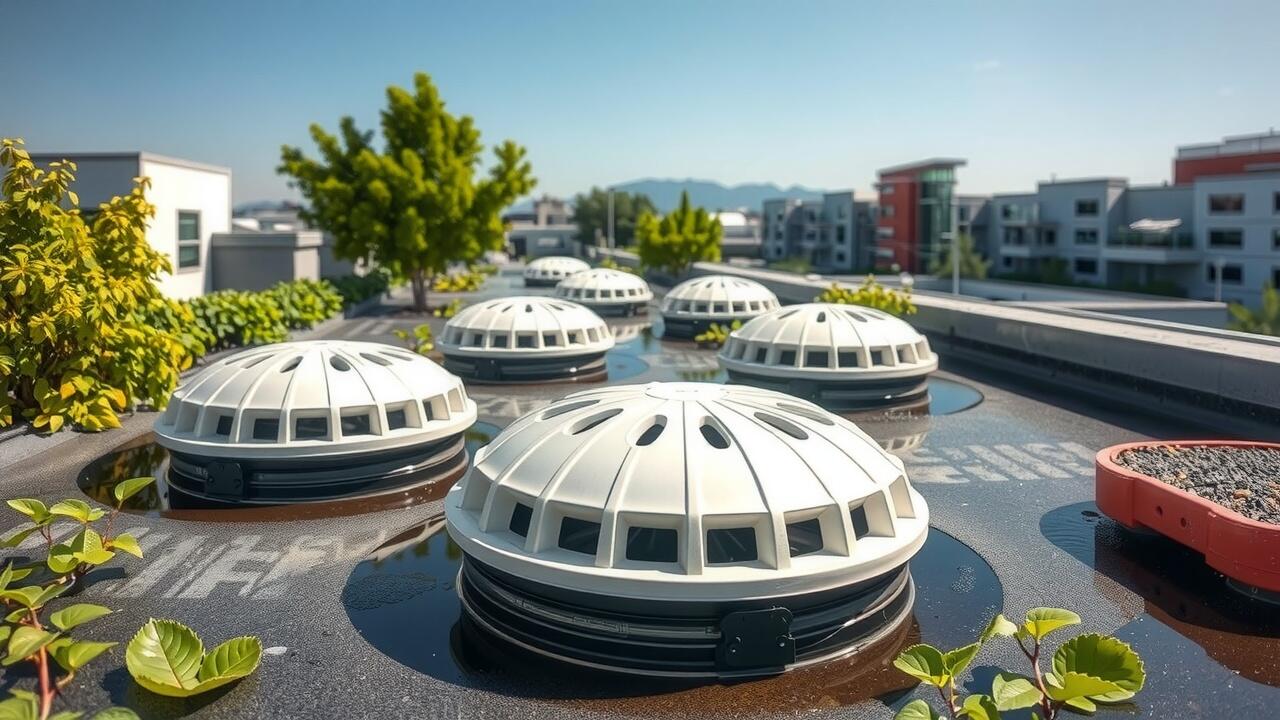
Spun roof drain domes are specially designed fixtures that sit atop roof drains, helping to efficiently shed water and prevent debris from clogging the drainage system.
How do I install a spun roof drain dome?
Installing a spun roof drain dome typically involves a few simple steps: gather your tools, ensure the drain is clean, position the dome correctly, and secure it in place. Check out our detailed 7-step guide for best practices!
What maintenance do spun roof drain domes require?
Regular maintenance includes routine inspections and cleaning to remove debris, as well as checking for any signs of wear and tear. This helps ensure optimal performance and longevity.
What are some common issues with spun roof drain domes?
Some common issues include clogs caused by debris accumulation, signs of damage, or improper installation. It's important to keep an eye on your drain dome for these issues to address them early.
How much do spun roof drain domes typically cost?
The cost of spun roof drain domes can vary based on size, material, and brand. It's a good idea to compare prices and consider long-term benefits when making your purchase decision.